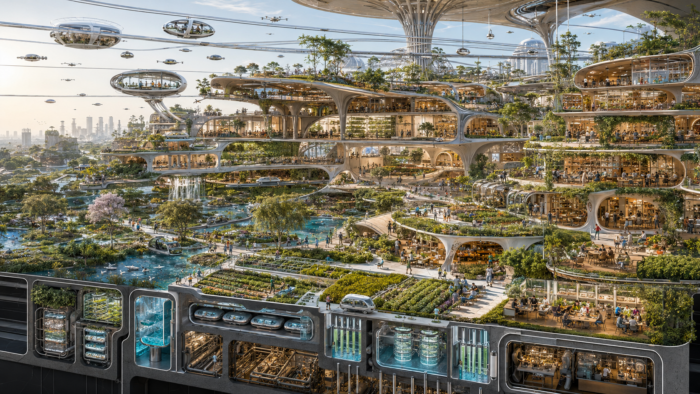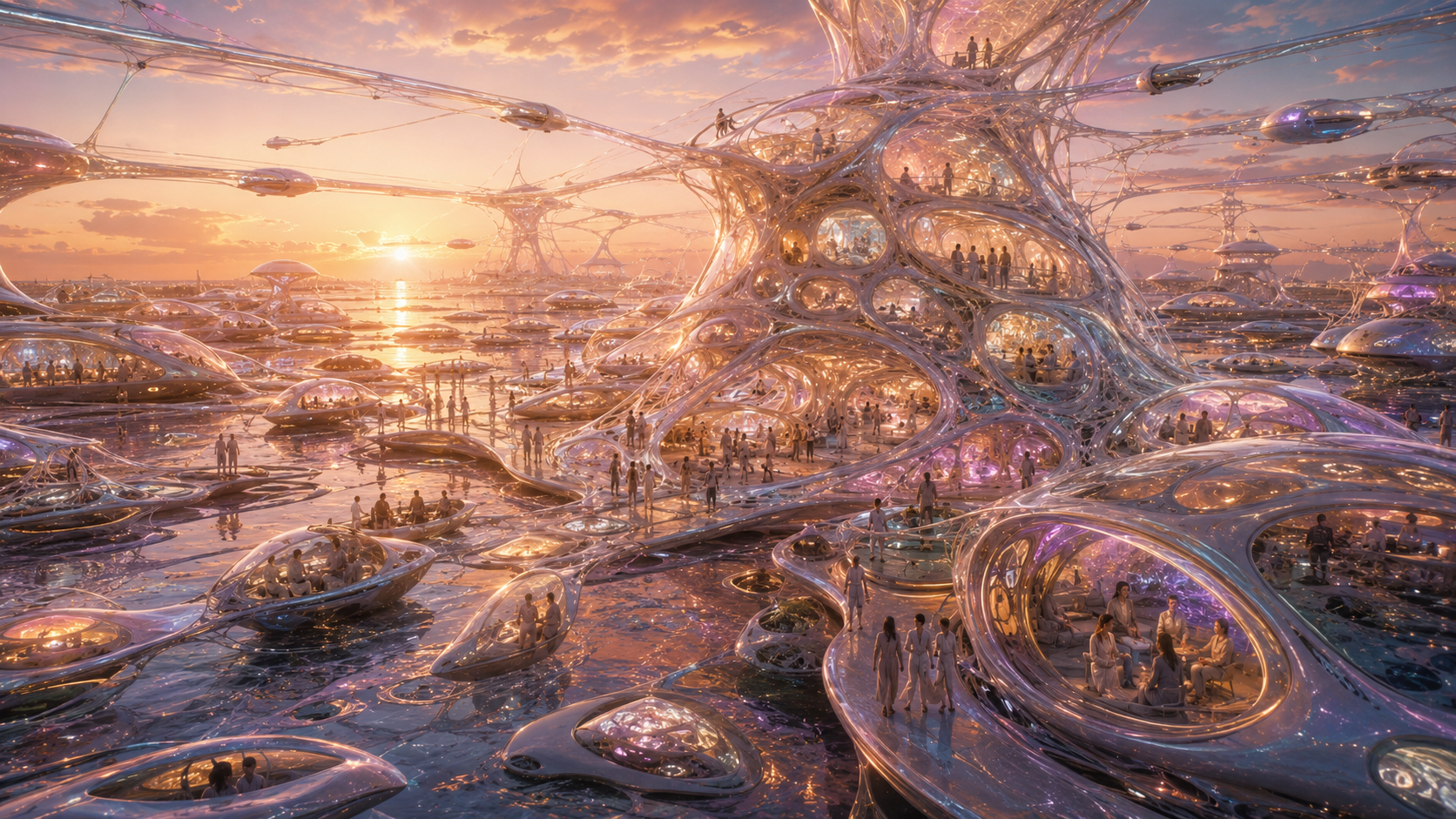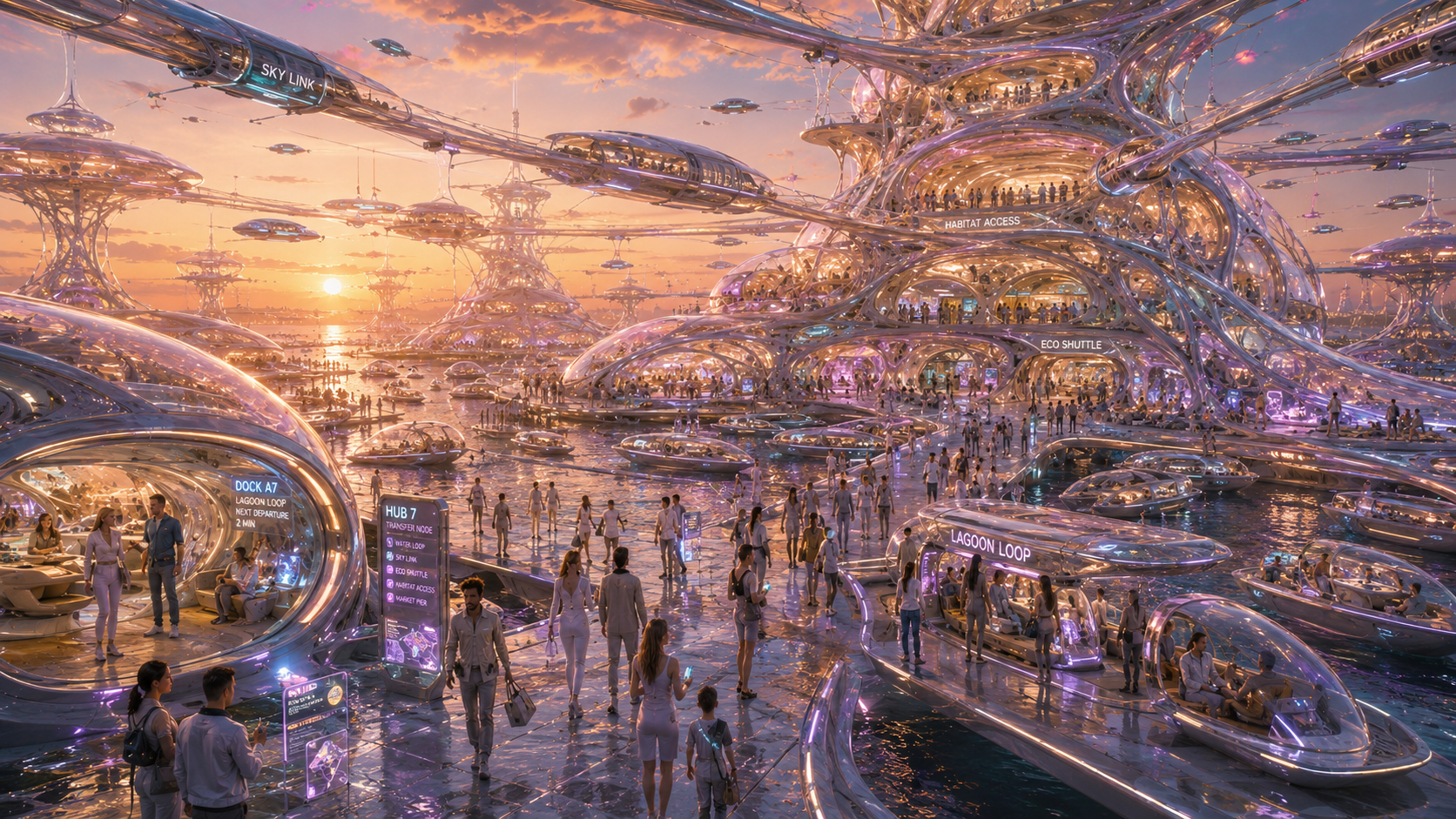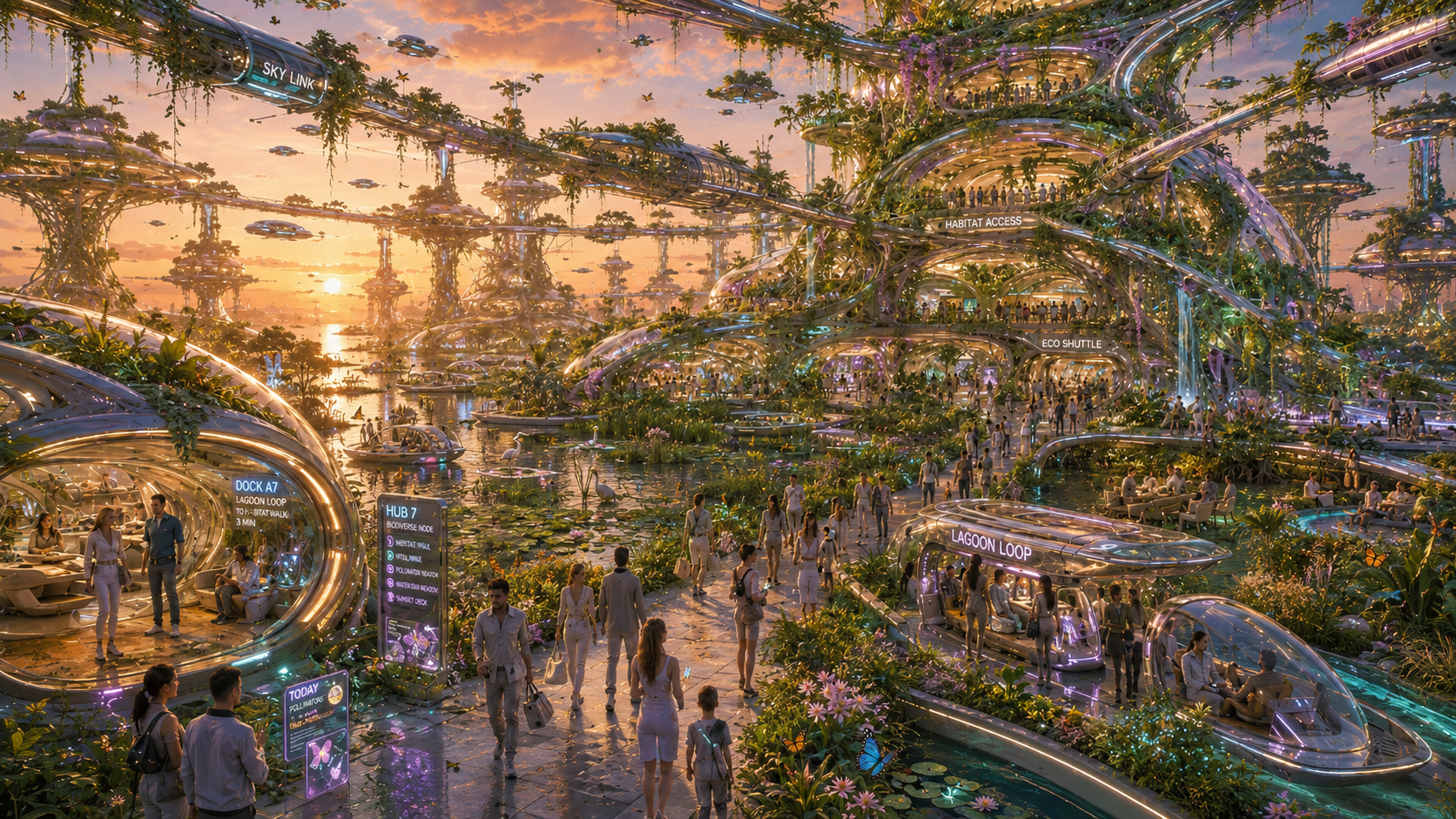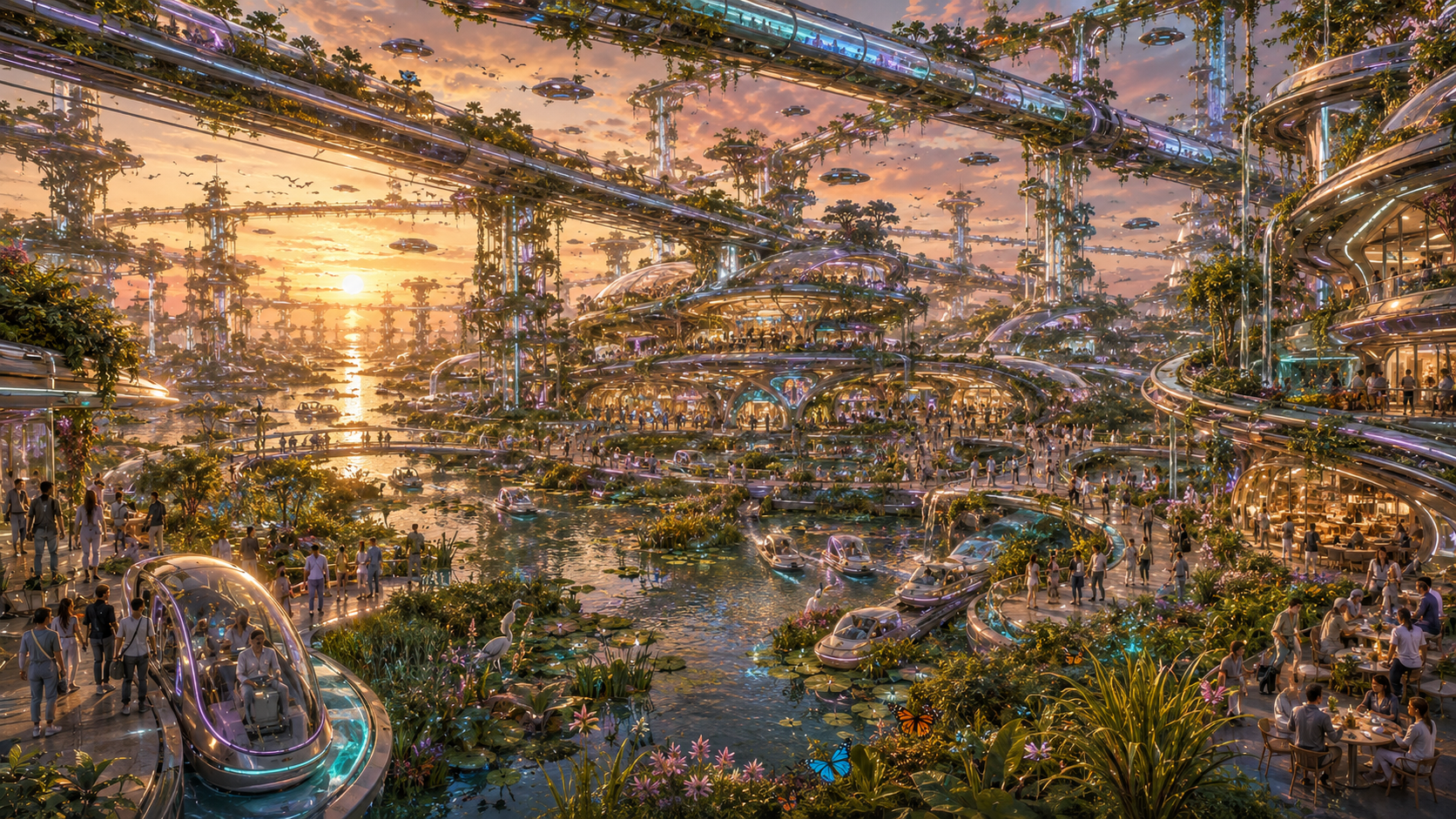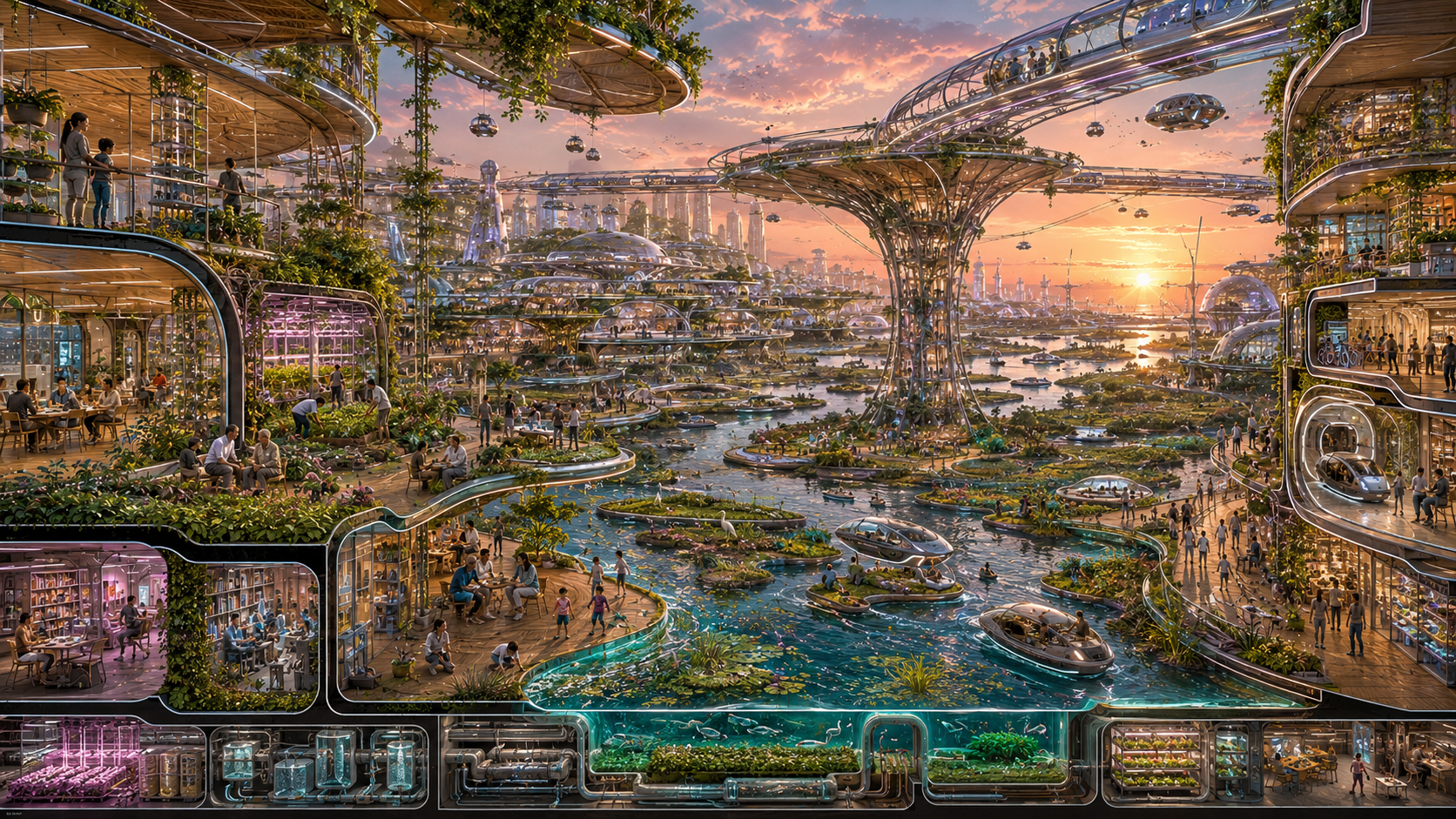
Transportation is approaching a fundamental redesign. Autonomous systems, computational geometry, lightweight fabrication, and adaptive infrastructure are beginning to dissolve the line between vehicle, architecture, sculpture, and product design.
This body of work explores mobility as an inhabitable spatial experience rather than a purely mechanical object. The concepts investigate transparency, softness, parametric geometry, deployable systems, and emotionally responsive environments intended for dense future urban conditions.
Rather than following traditional automotive language centered around speed and mechanical dominance, these studies focus on atmosphere, interaction, adaptability, and spatial identity.
Mobility as Architecture
Many of these concepts originate from architectural thinking rather than conventional transportation design. The projects approach vehicles as small-scale inhabitable structures shaped by light, movement, perception, and urban context.
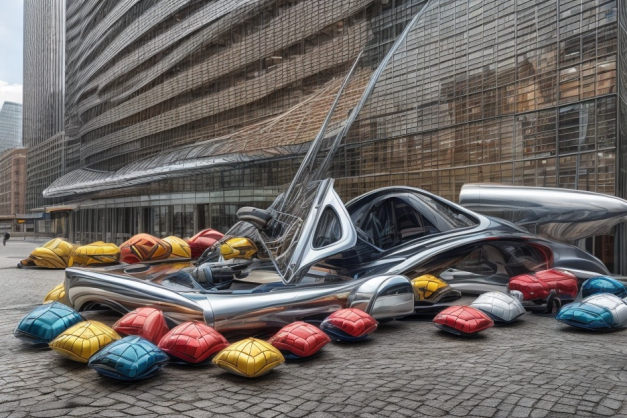
The work explores how future transportation systems may evolve into adaptive spatial ecosystems rather than isolated consumer products. Several recurring themes appear throughout the research:
- Transparent and immersive enclosure systems
- Parametric and generative geometries
- Soft mobility and emotionally calming forms
- Adaptive modular transportation systems
- Lightweight woven and lattice structures
- Urban integration between mobility and architecture
The intention is to imagine transportation systems that respond dynamically to future cities rather than repeating twentieth-century automotive typologies.
Bubble Mobility Concepts
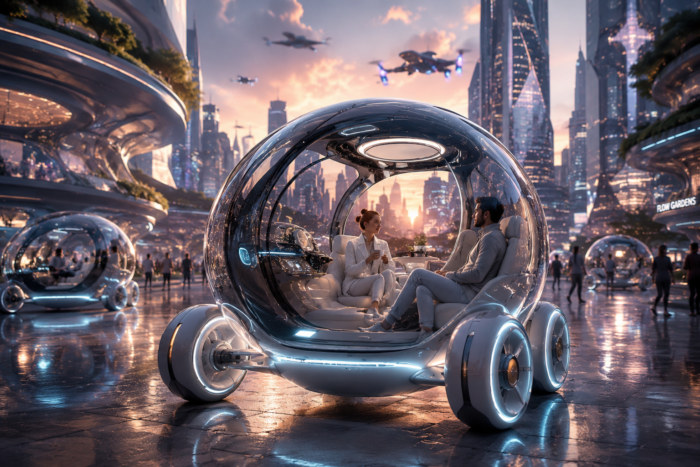
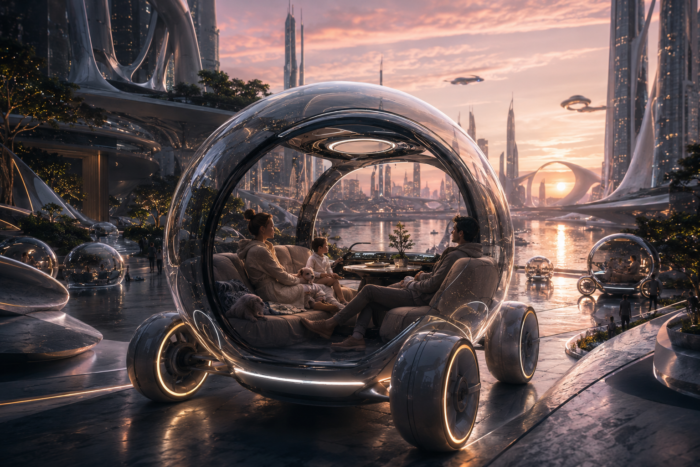
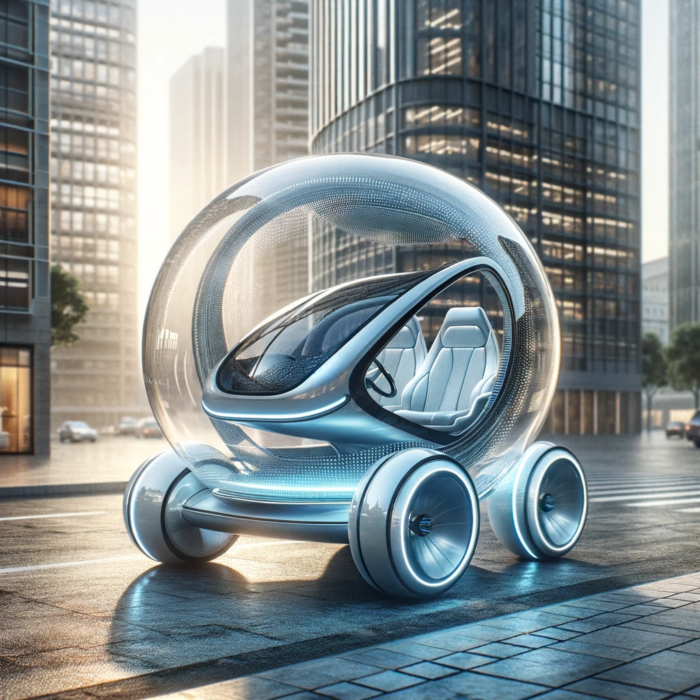
One recurring direction within the work is the development of compact “bubble mobility” systems — autonomous transportation pods designed around visibility, softness, and emotional comfort.
These spherical or semi-enclosed forms reduce visual aggression while creating panoramic urban viewing experiences. The vehicle becomes less of a machine and more of an inhabitable observatory moving through the city.
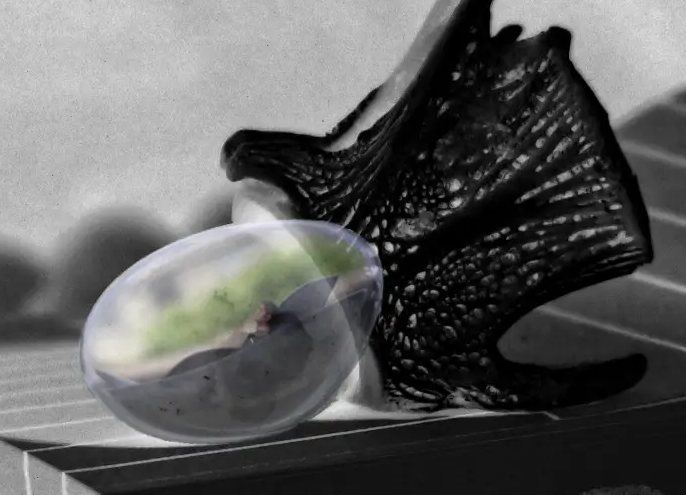
The shell systems explore:
- Immersive urban observation
- Minimal structural expression
- Reduced visual weight
- Calming interior spatial atmospheres
- Micro-architectural enclosure strategies
The concepts speculate on how autonomous transportation may eventually shift focus away from driving mechanics and toward emotional and spatial experience.
Computational Geometry & Parametric Design
The projects heavily incorporate computational and parametric design methodologies influenced by architecture, aerospace engineering, and biomorphic systems.
Instead of manually sculpting static surfaces, many of the forms emerge through relationships between structure, airflow, material behavior, and geometry.
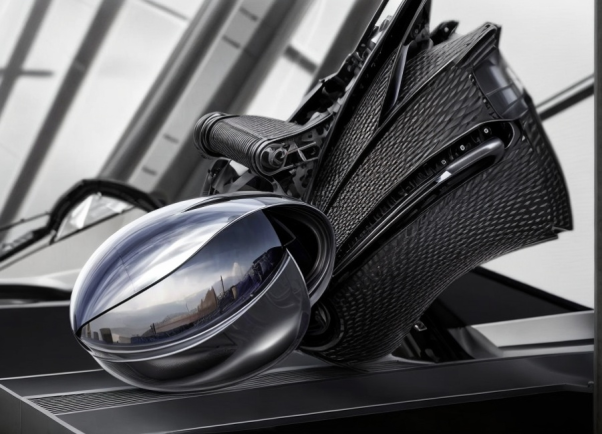
The work investigates:
- Surface tension studies
- Topology-inspired structural systems
- Woven and lattice geometries
- Aerodynamic flow logic
- Generative structural relationships
These systems produce forms that feel simultaneously fabricated, organic, and speculative.
Softness, Atmosphere, and Emotional Design
Traditional transportation design often emphasizes aggression, speed, and mechanical exposure. This research instead explores softness as a future design language.
Rounded geometries, textile-like structures, reflective materials, and blurred transitions are used to create transportation environments that feel emotionally intelligent and spatially calming.
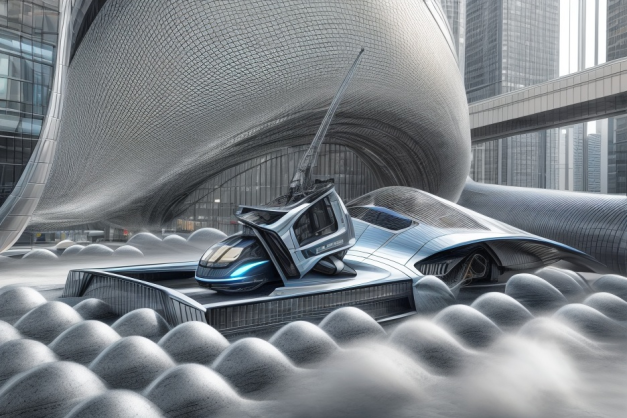
As autonomous systems mature, transportation may evolve into:
- Mobile workspaces
- Meditation environments
- Adaptive lounge spaces
- Private urban sanctuaries
- Immersive viewing chambers
This shift fundamentally changes how transportation is designed, experienced, and emotionally perceived.
Physical Prototyping & Material Experimentation
Alongside digital visualization, the work also explores tactile prototyping and material-based experimentation.
Small-scale physical studies are used to investigate spatial proportion, reflection, texture, translucency, and unexpected geometric behaviors that emerge through fabrication.

These physical explorations help bridge speculative digital concepts with potential fabrication strategies and future manufacturing systems.
Speculative Urban Futures
The projects ultimately speculate on transportation systems embedded directly into adaptive urban infrastructure.
Rather than functioning as isolated objects, future mobility systems may become integrated with:
- Responsive architectural environments
- Shared autonomous mobility networks
- AI-assisted infrastructure systems
- Dynamic charging ecosystems
- Fluid transportation landscapes
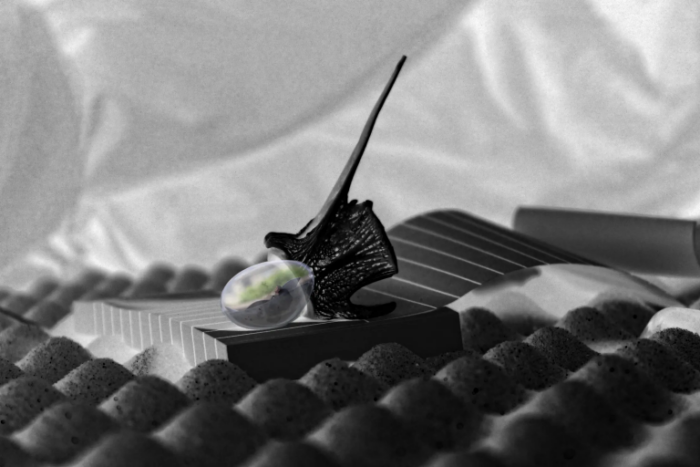
The resulting vision positions mobility somewhere between architecture, sculpture, infrastructure, and inhabitable technology.
Design Philosophy
At its core, this work explores how future transportation can become softer, quieter, more immersive, and more emotionally aware.
The intention is not simply to redesign the automobile, but to rethink how humans interact with movement, infrastructure, and inhabitable objects within increasingly automated urban environments.